Starting in 2027, healthcare institutions in Serbia will, for the first time, become part of the programme budgeting system, bringing the healthcare sector into the public financial management reform launched in 2015. In practice, this means that it will no longer be sufficient to show only where money has been spent, but also what results have been achieved with those resources.
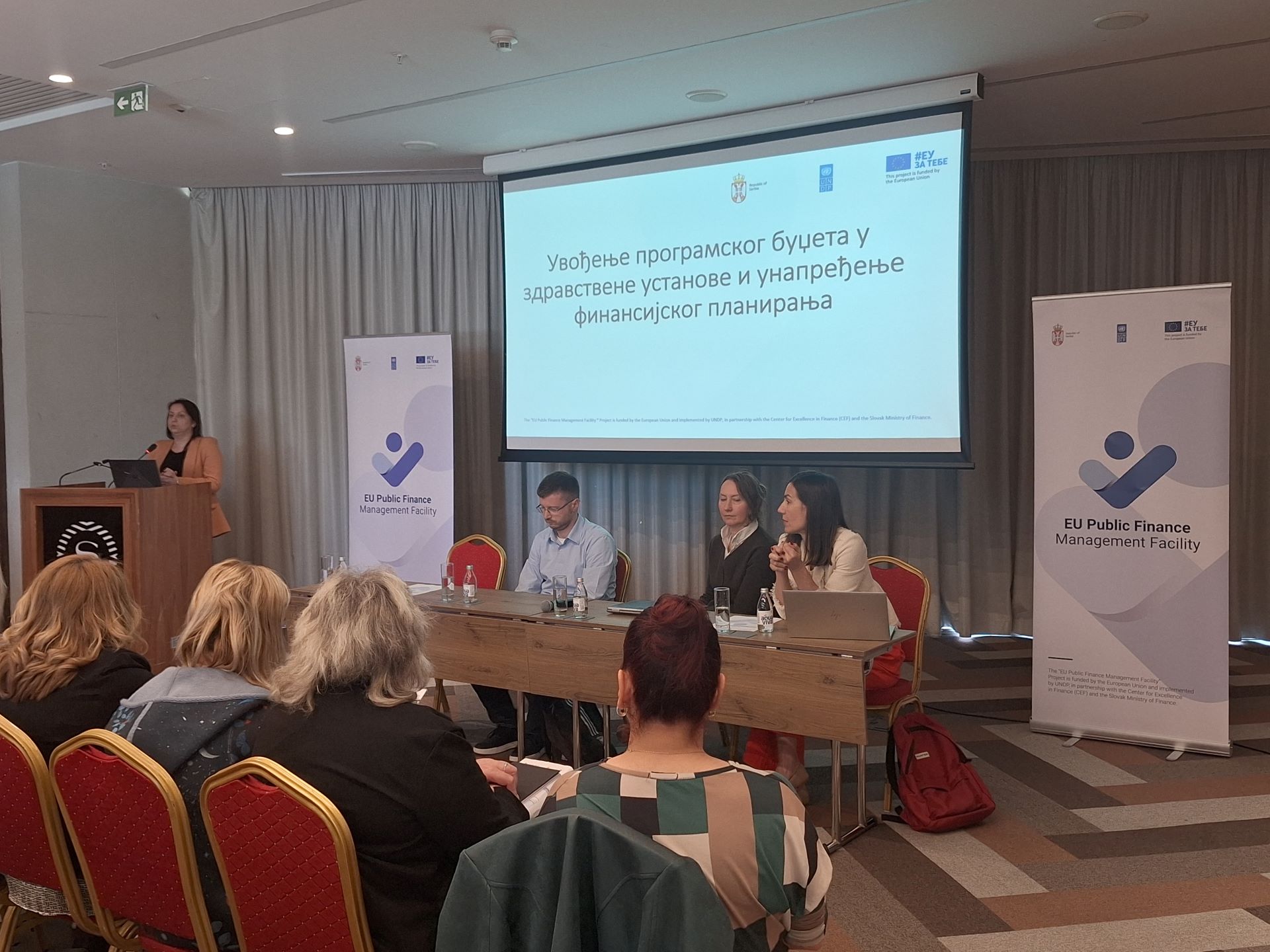
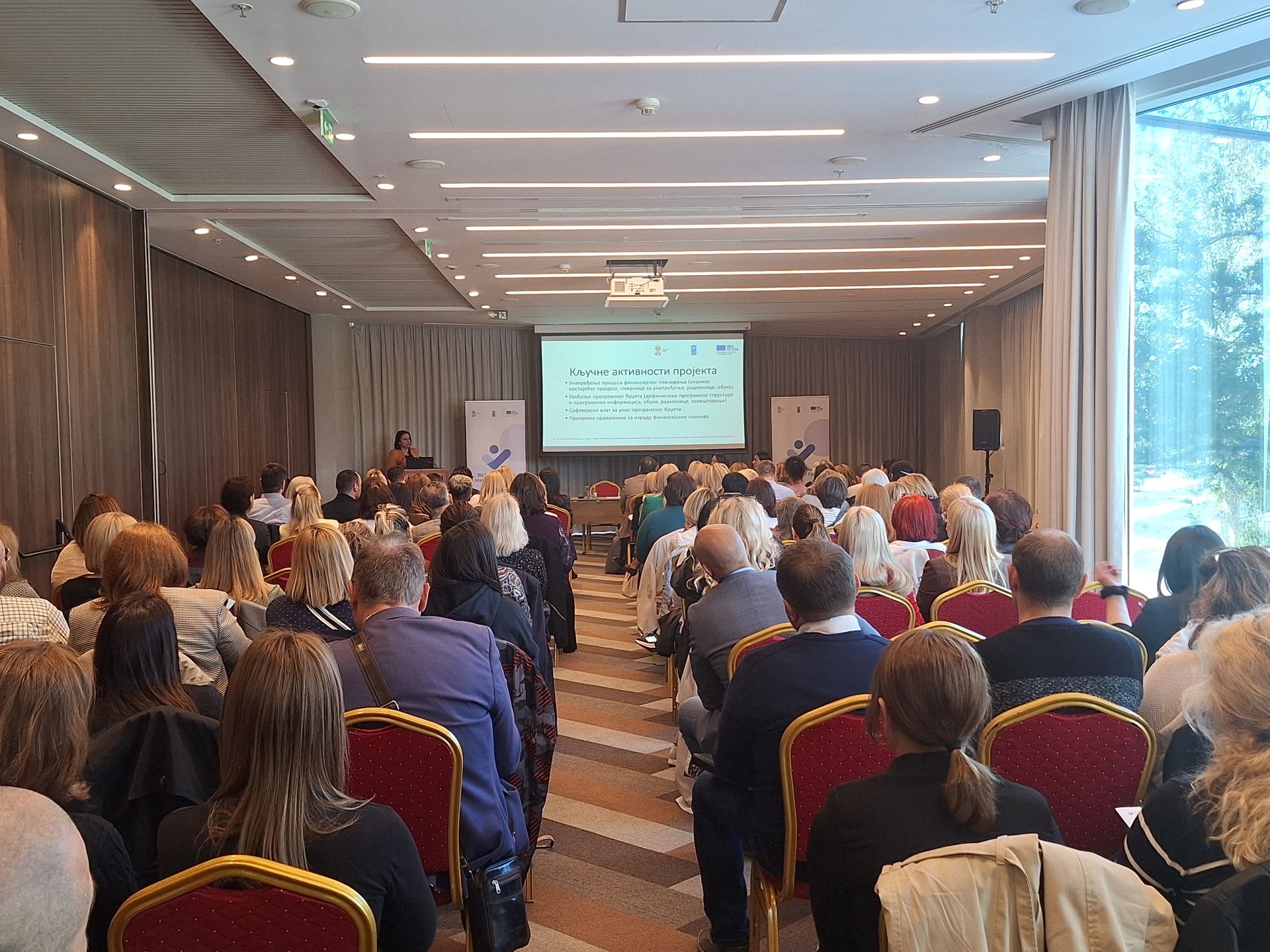
Preparations for the introduction of this new budgeting model were completed through a series of four workshops held in Novi Sad, Kragujevac, Niš and Belgrade. The workshops were organized by the Ministry of Finance with the support of the EU Support to Public Financial Management in Serbia project.
Unlike the traditional line-item budgeting approach, where funds are allocated according to expenditure categories such as salaries, goods and services, programme budgeting focuses on what has actually been achieved through public spending. This approach is expected to place greater emphasis on outcomes and benefits that citizens can experience directly.
Although official implementation will begin with the 2027 budget cycle, the transition will be gradual. During the first year, healthcare institutions will apply a simplified model. Financial plans will continue to be prepared using the existing line-item format, but they will also include an overview of expenditures according to the programme structure, as well as objectives and performance indicators designed to demonstrate the intended results of planned spending.
The Ministry of Finance is currently preparing guidelines and supporting materials that will be distributed to healthcare institutions together with instructions for drafting their 2027 financial plans. Training sessions on the financial planning module, which will be used for data entry, are also scheduled for the first half of July.
The introduction of programme budgeting in healthcare institutions is more than a technical change in financial planning and reporting. It represents a systemic shift in the culture of public spending. By extending programme budgeting to the healthcare sector, Serbia is closing a ten-year gap in its budget reform process and providing healthcare institutions with a tool that demonstrates not only how much money is spent, but also what is achieved with those resources.
Support to healthcare institutions will continue throughout the implementation period, while the first real test of the reform will be reflected in the financial plans prepared for the 2027 budget cycle.
The introduction of programme budgeting in the healthcare sector has been supported by the EU Support to Public Financial Management in Serbia programme, funded by the European Union and implemented by the United Nations Development Programme (UNDP).
Preparations for the Healthcare Sector's Transition to a New Budgeting Model
Preparations for the introduction of programme budgeting in the healthcare sector were carried out throughout 2025 and 2026. In cooperation with the Republic Health Insurance Fund, healthcare institutions were grouped according to the services and functions they perform. Representative institutions from each group were selected to participate in the development of the future programme structure. An important part of the preparation process consisted of four workshops held in late May and early June. During these workshops, participants reviewed existing financial planning procedures, internal organizational structures, sources of financing and relevant strategic documents, laying the groundwork for the introduction of programme budgeting across the healthcare sector.